NEWS
Industry Standards Governing Ring Gasket Manufacturing and Quality Assurance
Introduction: Ring joint gaskets compliant with API, ASME B16.20, ASTM materials, and ISO quality systems ensure reliable sealing under extreme conditions, reducing failure risks and maintenance needs.
In industries where pressure and heat test every joint, the reliability of sealing components cannot be overstated. For technicians tightening flanges on an offshore rig or maintaining refinery pipelines, the ring joint gasket supplier chosen directly affects safety and performance under extreme conditions. Gasket manufacturers dedicated to adhering to strict industry standards ensure that these metallic gaskets withstand operational stress without leakage. This commitment to quality is crucial, as the consequences of failure ripple through costly repairs and hazardous downtime. The exacting standards guiding these products provide assurance amid complex industrial demands.
Compliance with API and ASME B16.20 for Ring Joint Gaskets
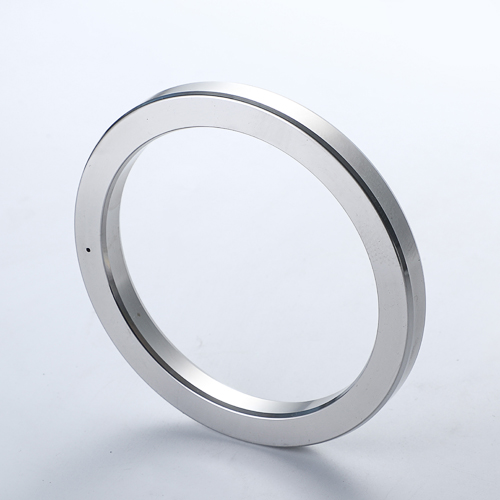
A ring joint gasket supplier’s adherence to recognized standards like API and ASME B16.20 is foundational in delivering dependable sealing solutions. These codes specify detailed requirements for dimensions, material properties, and performance criteria, ensuring that each ring joint gasket performs predictably in high-pressure and high-temperature applications. Gasket manufacturers following these guidelines produce sealing rings—such as oval or octagonal cross-sections—that match machined grooves on flanges precisely, enabling optimal deformation and sealing once compressed. Meeting these standards guarantees compatibility with flange systems widely used in oil, gas, and petrochemical industries, reducing the risk of fluid leakage or joint failure. Moreover, compliance enables easier integration into existing equipment, streamlining maintenance workflows, and facilitating regulatory audits. This alignment with authoritative industry frameworks allows gasket manufacturers to support critical infrastructure with consistent quality and safety, reinforcing trust among engineers and maintenance teams who rely on this precision sealing technology every day.
Importance of ASTM Materials in Metal Ring Gasket Durability
The choice of materials governed by ASTM standards is a decisive factor that gasket manufacturers leverage to enhance the longevity and functionality of ring joint gaskets. Metals like carbon steel, soft iron, and stainless steel, conforming to ASTM specifications, offer predictable mechanical properties such as tensile strength, hardness, and corrosion resistance. For a ring joint gasket supplier, these materials ensure that the gasket can endure intense pressure fluctuations, temperature extremes, and exposure to aggressive chemicals without compromising the flange integrity. Quality control measures focusing on ASTM-approved metals also help minimize the risk of flange damage during installation and service, as the gasket material behavior under stress is well-documented and understood. The durability gained through this standardization reduces maintenance frequency and extends service life, making these gaskets suitable for demanding environments like subsea wellheads or high-pressure pipeline connections. Thus, the ASTM material compliance is a hallmark of professionalism among gasket manufacturers, reassuring users that the sealing solution will perform reliably over many operational cycles.
ISO Quality Management and Small MOQ Benefits for Customized Gasket Orders
In a landscape where precision and customization intersect, adherence to ISO quality management systems separates top-tier gasket manufacturers from others. This standardization ensures every phase—from raw material inspection through production to final testing—is monitored, controlled, and traceable. A ring joint gasket supplier applying ISO protocols maintains consistent production quality while being responsive to customer needs, even when small minimum order quantities are requested. This flexibility supports industries requiring bespoke solutions tailored to specific flange configurations or exotic material combinations. Such personalized services do not sacrifice quality, thanks to robust ISO process controls ensuring that each batch meets rigorous acceptance criteria. As a consequence, end users benefit from tailored sealing gaskets that align perfectly with project demands without the burdens of large upfront inventories. This capacity to deliver high-quality custom solutions reliably makes gasket manufacturers who follow ISO standards particularly appreciated by sectors where uniqueness and safety go hand in hand.
The path toward dependable sealing solutions in critical high-pressure settings is marked by adherence to strict manufacturing and quality assurance standards. Gasket manufacturers informed by API and ASME codes, reinforced by ASTM material compliance, and governed by ISO quality management create ring joint gaskets that stand as milestones in industrial safety and efficiency. These precise designs, materials, and production controls combine to offer secure, long-lasting sealing that adapts to evolving operational conditions. For engineers and maintenance specialists sourcing from a trusted ring joint gasket supplier, this represents both a practical assurance and a step forward in maintaining seamless and secure industrial operations.
References
Ring Joint Gasket– High-performance sealing solutions
Lens Gasket– Sealing for high-pressure piping
Spiral Wound Gaskets– Versatile sealing for various applications
Metal Jacketed Gaskets– Durable sealing for high-pressure environments
Graphite Packing– Flexible sealing solutions for pumps and valves