NEWS
Understanding the Design Features of Metal Ring Gaskets in Sealing Systems
Introduction: Metal ring gaskets provide reliable sealing up to 15,000 psi through designs that optimize radial expansion, plastic deformation, and specialized profiles for extreme offshore and subsea conditions.
On an offshore drilling platform, a technician closely inspects the flange connections holding back thousand-pound pressures of oil and gas beneath the ocean floor. The integrity of these connections relies heavily on the precise fit and resilience of metal ring gaskets designed to maintain a secure seal in extreme conditions. This moment underscores the critical role that gasket manufacturers and ring joint gasket suppliers play in producing components that endure high-pressure, high-temperature environments to prevent leaks and ensure operational safety.
Comparing Oval, Octagonal, and Square Cross-Sections in Ring Gaskets
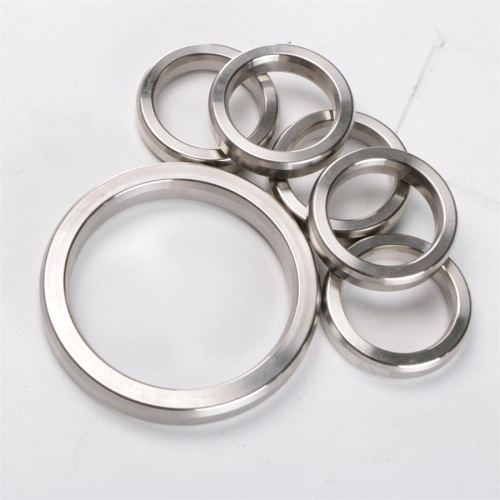
Among the various designs available from gasket manufacturers, oval, octagonal, and square cross-sections in ring gaskets each offer distinct advantages tailored to different sealing applications. Oval ring gaskets, commonly styled as 302, provide reliable sealing up to moderate pressures and are often appreciated for their smooth profile that reduces flange damage during installation. Octagonal cross-sections, known as Style 301 and favored by many ring joint gasket suppliers, excel by achieving semi-self-tightening seals through plastic deformation and radial expansion, locking the flange joint securely under pressure. This design is particularly beneficial in dynamic conditions where fluctuating pressure demands consistent seal maintenance. Square cross-section gaskets, like the BX type, feature a tapered profile that matches API 6BX flanges, enhancing performance under very high pressures, up to fifteen thousand psi, by distributing stress evenly along the contact surface. These varied profiles from reputable gasket manufacturers ensure users such as engineers and maintenance teams can select the appropriate gasket based on pressure requirements, flange compatibility, and operational conditions, thereby maintaining system integrity without compromising safety or longevity.
The Role of Radial Expansion and Plastic Deformation in Ring Joint Gasket Seal Integrity
The sealing effectiveness of ring joint gaskets largely depends on their ability to undergo controlled deformation when clamped within flange grooves. Radial expansion and plastic deformation are critical mechanisms that ring joint gasket suppliers prioritize during manufacturing to guarantee reliable joint sealing under pressure. When bolts are tightened on the flanges, the gasket ring deforms plastically, slightly expanding radially to fill the groove and interfacial gaps. This deformation produces a metal-to-metal seal which resists creeping and extrusion, vital in high-temperature and high-pressure environments found in oil, gas, and petrochemical applications. Moreover, the octagonal ring type leverages media pressure to enhance sealing through self-tightening behavior, increasing its sealing torque and preventing leak paths. However, this beneficial effect can be influenced by flange and bolt deformation, factors that gasket manufacturers carefully consider in material selection and dimensional tolerances. Using carbon steel, soft iron, or stainless steel, manufacturers ensure the gasket complements flange materials to avoid damage while supporting the necessary deformation without fracture. This balance between flexibility and rigidity crafted by skilled ring joint gasket suppliers makes the sealing system robust against operational stresses and environmental challenges.
Advanced Subsea Applications Using SRX and SBX Ring Joint Gaskets
Subsea operations present some of the most demanding environments for sealing technologies, prompting gasket manufacturers to develop specialized SRX and SBX ring joint gaskets specifically for underwater wellhead and tree equipment. These gaskets incorporate innovative features such as cross-drilled holes strategically placed to prevent liquids from becoming trapped within the gasket assembly, addressing potential corrosion and pressure balance issues unique to subsea conditions. Compliant with stringent API 17D standards, SRX and SBX types are engineered for pressures up to fifteen thousand psi, matching the requirements of subsea applications that face extreme mechanical loads and corrosive seawater exposure. A ring joint gasket supplier providing these gaskets ensures that each unit meets rigorous quality controls and material certifications, supporting operational reliability in oil and gas extraction beneath the ocean surface. The combination of sturdy materials, precise craftsmanship, and advanced design features enables these gaskets to maintain tight seals over long service periods, reducing maintenance interventions and system downtime vital for offshore industry efficiency and safety. Users in subsea industries trust reliable gasket manufacturers to deliver products that withstand these harsh conditions to preserve infrastructure integrity.
The detailed design variations and performance mechanisms explored reflect how gasket manufacturers and ring joint gasket suppliers tailor solutions to complex sealing challenges. The choice among oval, octagonal, or square cross-sections directly influences installation ease and seal resilience, while the foundational role of radial expansion and plastic deformation ensures dependable joint integrity under demanding pressures. Subsea rings like the SRX and SBX underscore how specialized features accommodate extreme environments, illustrating the adaptability and precision of modern metal ring gaskets. For professionals requiring trustworthy seals, these insights highlight how the right gasket aligns with safety expectations and operational demands in high-stakes industries. Considering these factors prepares users for evolving sealing requirements as technology and applications continue to advance.
References
Ring Joint Gasket– Detailed product information
Lens Gasket– High-pressure sealing solutions
Spiral Wound Gaskets– Versatile sealing applications
Metal Jacketed Gaskets– Cost-effective sealing solutions
Graphite Packing– High-temperature sealing materials